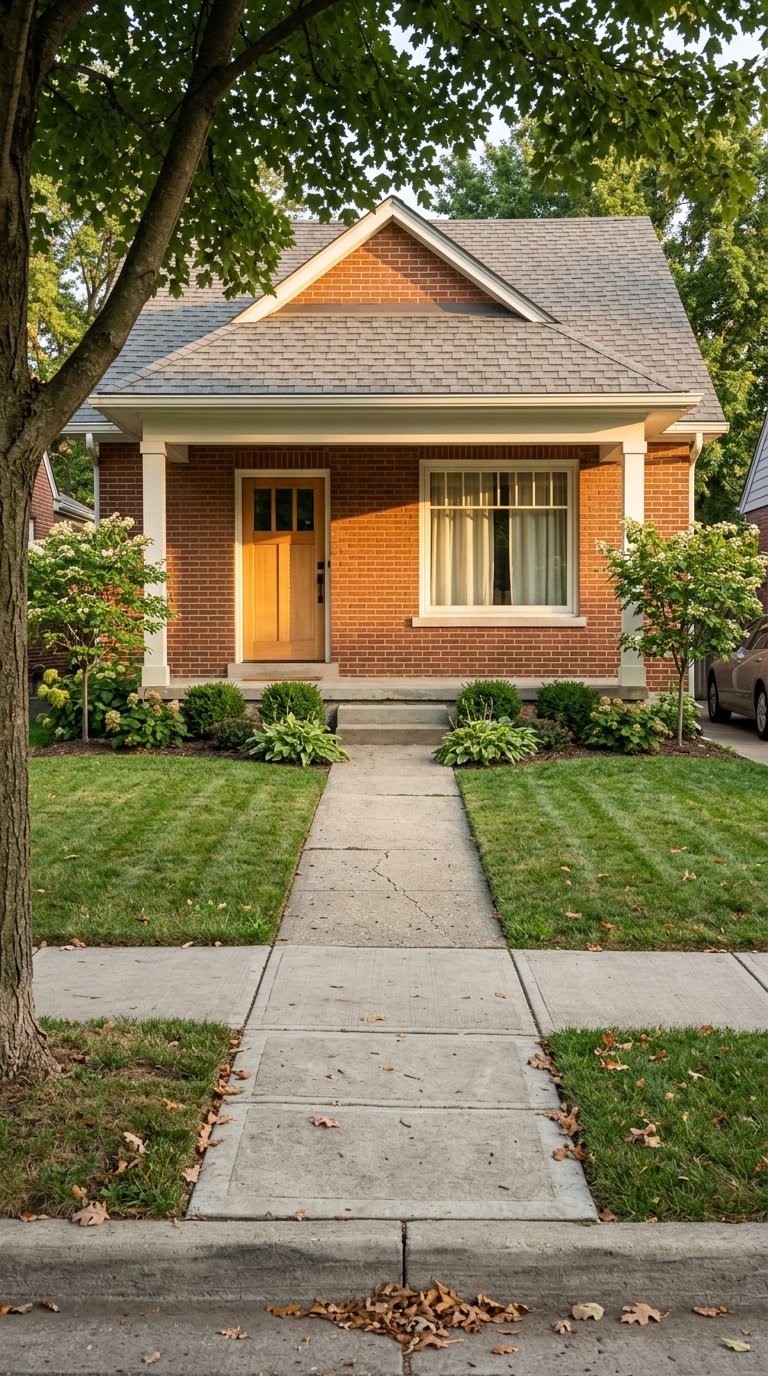
What if your morning coffee, weekly errands, and dinner plans were all a short walk from home? If you’re drawn to Louisville for its local flavor and neighborhood feel, you’ll find several pockets where life on foot is not only possible, it is enjoyable. You just need to know where walkability concentrates and how each area feels day to day.
In this guide, you’ll learn how walkability works in Louisville, which neighborhoods to explore first, what housing styles and price signals to expect, and a few practical tips for choosing your fit. Let’s dive in.
How walkability works in Louisville
Walkability in Louisville is corridor based. The strongest scores and most frequent small businesses cluster around a handful of streets and districts near the urban core. Citywide lists show higher Walk Score concentrations around Downtown, the East Market corridor, the Highlands, Old Louisville, and Frankfort Avenue. You can preview that pattern on the city’s overview page on Walk Score.
City planning work is also improving pedestrian links. Louisville Metro’s current Downtown street network plan focuses on safer, more connected routes between Downtown and East Market, which helps neighborhoods near those corridors grow their on-foot options over time. You can review the project background on the Downtown street network plan.
Transit adds flexibility, especially around central corridors. The Transit Authority of River City operates local routes and downtown circulators that help you connect Market and Main with adjacent areas, though many households still keep a car for errands outside those cores. For context on those circulators, see the LouLift-style service overview.
Neighborhoods to explore on foot
NuLu / East Market District
NuLu is a compact arts and dining corridor just east of Downtown, known for galleries, independent restaurants, and frequent street activity. The neighborhood association highlights events and business activity at NuLu.org. You’ll find a dense cluster of cafes, specialty shops, and food destinations along East Market that make living car-light realistic.
- What you can walk to: galleries, cafes, restaurants, and periodic festivals.
- Housing types: warehouse-to-loft conversions, condos, and new infill.
- Price snapshot: local analyses describe NuLu as a premium market relative to many Louisville neighborhoods. Exact comps vary by building and finish level.
- Best for: buyers who prioritize walk-to-dinner and arts culture, and like condo or loft-style living.
Butchertown
Immediately northeast of Downtown, Butchertown blends historic industrial buildings with creative food and distilling anchors. Copper & Kings, breweries, and event programming add to the neighborhood feel and draw foot traffic. Explore a key local landmark at Copper & Kings.
- What you can walk to: distilleries, restaurants, markets, and converted warehouse spaces.
- Housing types: loft conversions, new townhomes, and smaller historic cottages.
- Price snapshot: recent neighborhood listings often show medians in the low to mid 300s. Prices vary with ongoing redevelopment and limited inventory (Redfin neighborhood data, recent snapshots).
- Best for: buyers who want a short commute to Downtown with a food-forward, loft-leaning vibe.
Highlands (Original Highlands / Cherokee Triangle)
The Highlands centers on Bardstown Road and Baxter Avenue, where you can walk to dozens of cafes, bars, and shops. Cherokee Park, designed by Frederick Law Olmsted, provides major green space within a quick bike or short drive, and it is one of the city’s signature outdoor amenities. Learn more about the park’s background on the Cherokee Park reference page.
- What you can walk to: a dense run of restaurants, coffee shops, and nightlife along Bardstown and Baxter.
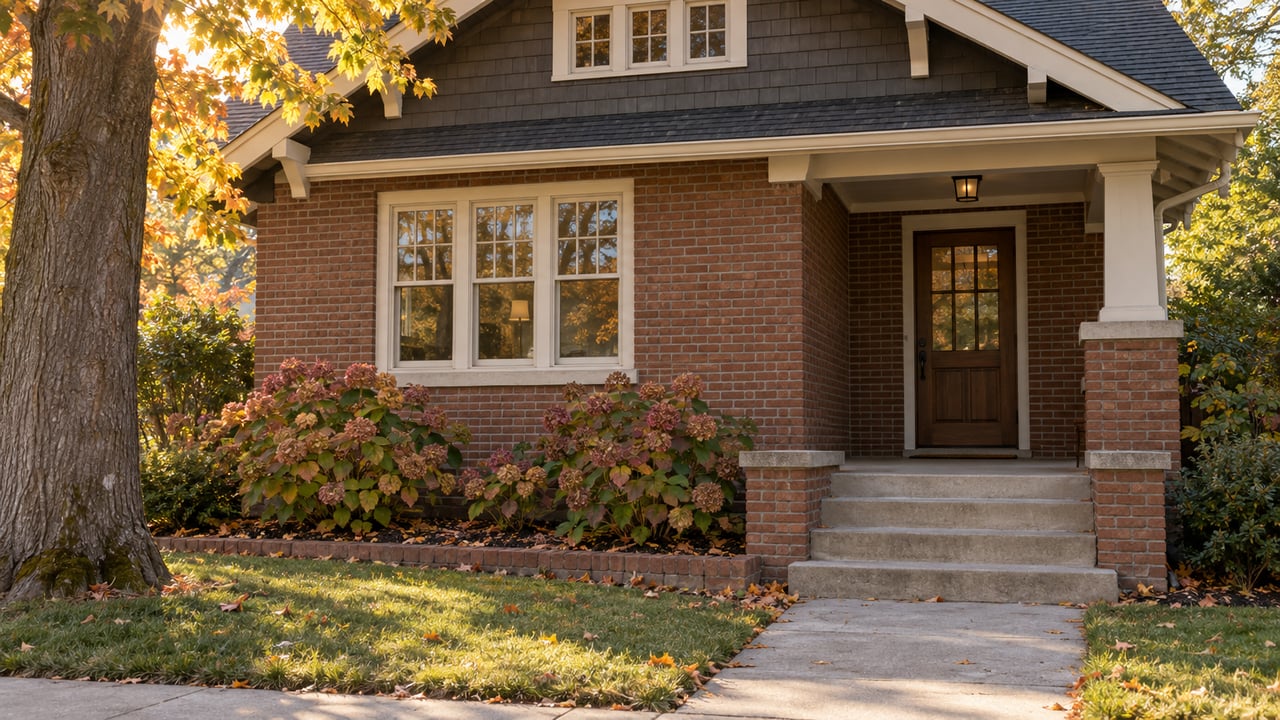
- Housing types: Craftsman bungalows, American Foursquares, and larger historic homes in Cherokee Triangle.
- Price snapshot: median listing price around 412,000 in the Highlands as of December 2025 (Realtor.com neighborhood page). Expect a wide range, including higher-end historic properties.
- Best for: buyers who want a lively main street feel with strong park access.
Old Louisville
Old Louisville is one of the nation’s largest contiguous Victorian residential districts, known for tree-lined streets, St. James Court, and landmark architecture. Commercial amenities are more concentrated around the edges, so you get a quieter residential core with Downtown still nearby. For preservation background and historic context, review the city’s Old Louisville designation report.
- What you can walk to: neighborhood parks and services near the borders, with short connections to Downtown.
- Housing types: large Victorian mansions, townhomes, and early apartment buildings, many in preservation zones.
- Price snapshot: median sale price about 306,000 in February 2026 (Redfin neighborhood page). Prices vary by size, renovation level, and multi-unit conversions.
- Best for: buyers who value historic architecture and a residential feel, and who are comfortable with preservation-aware maintenance.
Germantown
Germantown sits just southeast of Downtown with a compact street grid and a growing mix of restaurants and cafes. Goss Avenue is the local spine, and nearby creative spaces like Logan Street Market add to the routine of walking for coffee or a quick bite. Walk Score rates much of the area as very walkable, which you can see on the Germantown Walk Score page.
- What you can walk to: Goss Avenue restaurants, coffee shops, and local markets.
- Housing types: shotgun houses, narrow bungalows, and modest Victorian cottages, with renovation opportunities.
- Price snapshot: median sale price around 304,543 in February 2026 (Redfin neighborhood page). Renovation-driven activity can impact month-to-month medians.
- Best for: buyers seeking close-in affordability and a neighborhood with creative energy.
Crescent Hill and Clifton
Frankfort Avenue links these adjacent neighborhoods with a long main street of boutiques, cafes, and services. It is one of the city’s best examples of an everyday walk that covers errands, coffee, and dinner along one corridor. Check the corridor’s walkability profile on Frankfort Avenue’s Walk Score.
- What you can walk to: shops and restaurants on Frankfort Avenue, plus nearby parks.
- Housing types: Craftsman bungalows, cottages, and early 20th-century brick homes with some tasteful infill.
- Price snapshot: Crescent Hill’s median listing price hovered near 349,900 in December 2025, with 12‑month sale medians often reported in the mid 300s range on consumer portals. Clifton tends to price slightly under the higher-end pockets of the Highlands (Realtor.com and Homes.com neighborhood pages).
- Best for: buyers who want a neighborhood main street vibe and quick access to parks.
Price signals and how to read them
Neighborhood medians swing with small sample sizes, condo versus single-family mixes, and ongoing infill. Always check the source month and compare against recent MLS comps before zeroing in on a price target. In general, recent snapshots suggest:
- Entry-level urban options: Germantown and Old Louisville often show medians in the low 300s, as of February 2026 (Redfin neighborhood pages).
- Mid-range and up: Highlands and Crescent Hill tend to run higher, with recent listing medians from the high 300s into the 400s, as of late 2025 (Realtor.com neighborhood pages). Clifton commonly trends a bit lower than the priciest Highlands pockets.
- Premium niches: NuLu and parts of Butchertown often command premiums due to location, building type, and limited inventory. Exact figures vary by building and time of year.
When you tour, bring recent MLS comps for the specific block and property type. Note whether you are comparing condos to single-family, or renovated homes to those needing work.
Practical tips before you choose
A few small steps can make your decision clearer and help you buy with confidence:
Map your daily walk. Pick one address in each neighborhood and test a real-life route for coffee, groceries, and dinner. Then repeat after dark. You will see how corridor-based walkability plays out on the ground. The city overview on Walk Score is a helpful starting point.
Check transit for your commute. If you plan to go car-light, review routes and downtown circulators that connect Market and Main to your destination. A quick scan of the LouLift-style service context can help you plan connections.
Understand preservation and permitting. In Old Louisville and parts of Cherokee Triangle, windows, porches, and exterior materials can be regulated. Read the city’s Old Louisville designation report and factor timelines and costs into your budget.
Consider parking and guests. Highlands and NuLu have busy peak hours. If you rely on on-street parking, tour at dinner time to see the true competition for spots.
Review safety patterns by block. Walkability does not mean uniform conditions. Local reporting shows that incidents cluster in certain areas, including around some hospital parking zones. Stay current by checking official maps and this recent pattern coverage, then compare to your typical routes.
Scan for property-specific risks. Older buildings and areas near waterways may show flood projections or other risk flags on property reports. Ask your agent for property-level resources and any recommended inspections for the home’s age and construction type.
A day without the car: sample ideas
Highlands morning: Walk to coffee on Bardstown Road, pick up produce at a local market, then meet friends at Cherokee Park for a late afternoon loop. Review the park’s history on the Cherokee Park page, then head back for dinner on Baxter Avenue.
NuLu evening: Start with a gallery window-shop on East Market, grab an early dinner, then join a street event or pop-up. Check the neighborhood’s calendar and business listings at NuLu.org.
Frankfort Avenue Saturday: Brunch along Frankfort, browse boutiques, take a short ride to a nearby park, and finish the night with a casual dinner on the same corridor. The Frankfort Avenue Walk Score profile shows how close those errands can be.
Work with a local guide
Choosing a walkable Louisville neighborhood is easier when you tour the right blocks, compare building types apples to apples, and line up the logistics that make daily life smooth. Our team works across these corridors every week. We help you test real walking routes, pull neighborhood-specific comps with dates, review preservation rules, and coordinate the inspections that matter for historic and urban homes.
If a car-light lifestyle is on your list, let’s map out three neighborhoods that fit your budget and routine, then tour them on foot. Start a conversation with the Greg Hodges Group. Get a Free Home Valuation if you are planning a move and want to time your sale and purchase with confidence.
FAQs
What makes a Louisville neighborhood truly walkable?
- Walkability concentrates along corridors with frequent small businesses and services, like Bardstown Road, East Market Street, and Frankfort Avenue, supported by planning work and transit connections.
Is public transit useful if I plan to live car-light near Downtown?
- Yes, especially around Market and Main where circulators operate, though many residents keep a car for trips outside core corridors. See the LouLift-style service context for details.
Which walkable neighborhoods often have more affordable entry points?
- Germantown and Old Louisville have shown recent medians near the low 300s as of February 2026, based on Redfin neighborhood pages. Always verify with current MLS comps.
Where do I find larger historic homes within walking distance of amenities?
- Old Louisville and Cherokee Triangle offer significant historic architecture. You will find stronger retail concentration near neighborhood borders and along main corridors.
How do preservation rules affect my renovation plans?
- In designated areas like Old Louisville, exterior changes can require approvals and specific materials. Review the city’s designation report and build extra time and budget into your plan.