Buying your first home in La Grange can feel exciting and overwhelming at the same time. You may be trying to figure out how much home you can afford, how fast you need to move, and what makes this market different from others nearby. The good news is that with the right plan, you can shop with more confidence, avoid common surprises, and make smarter decisions from day one. Let’s dive in.
Why La Grange Appeals to First-Time Buyers
La Grange offers a mix of history, small-town character, and a range of housing options that can appeal to first-time buyers. The city’s identity is closely tied to the railroad that runs through Main Street, and the historic core grew around the courthouse square and rail line from the 1800s into the 1930s.
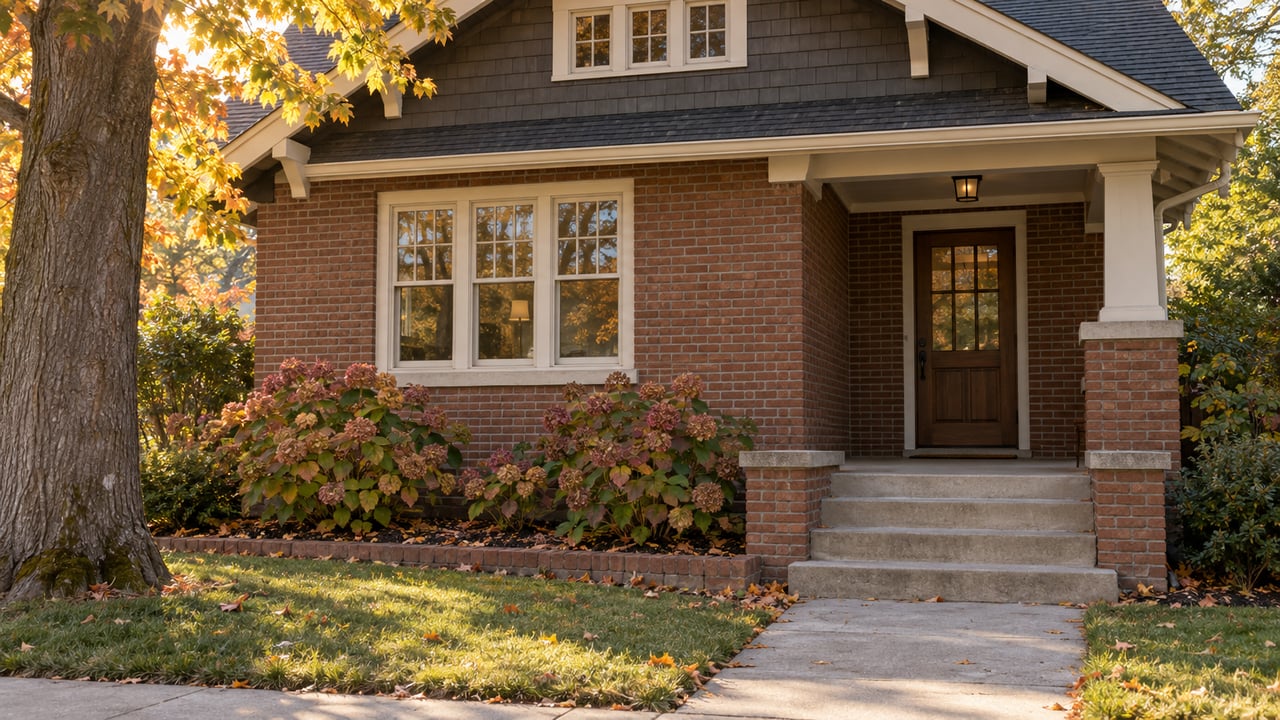
That history shows up in the housing stock. In and around the historic district, you may see older homes with styles such as Victorian Vernacular, Bungalow/Craftsman, American Foursquare, and Cape Cod cottages. Outside the original core, you can also find newer homes, different lot sizes, and a broader spread of price points.
What the La Grange Market Looks Like
If you are hoping for a market full of easy bargains, La Grange may feel competitive. Current reports vary by platform, but they point in a similar direction: homes are moving in a live mid-market, and buyers benefit from being prepared before they start making offers.
Recent market snapshots reported median sale prices from about $319,309 to $355,000, while median listing prices were around $450,000 to $452,492 in May 2026. Reported market speed also varied, from 17 median days to pending to 41 days on market, and Realtor.com described La Grange as a seller’s market.
The exact numbers may differ depending on where you look, but the takeaway is simple. You should expect a market where timing, financing, and offer strategy matter.
What Homes You May Find
La Grange is not a one-style market, which can be helpful if you want options. Some buyers are drawn to older homes with architectural character, while others want newer construction, more modern layouts, or larger lots.
Current listings reflect that range. Inventory can include smaller entry-level homes, many homes in the $300,000s and $400,000s, and higher-priced properties with more land or newer construction features.
That variety means your first step should be getting clear on priorities. If you know what matters most, such as price, condition, location, lot size, or renovation potential, you can narrow your search faster and avoid chasing homes that do not fit your budget or goals.
Start With Preapproval
Before you tour homes seriously, get preapproved. Preapproval helps you understand your budget, gives you a stronger starting point when you make an offer, and helps you focus on homes that fit your financing.
It is also important to time it well. Preapproval letters often have short expiration windows, so it makes sense to begin the process when you are ready to actively search rather than months too early.
For first-time buyers in La Grange, this matters even more in a market that rewards readiness. If the right home comes up, being preapproved can help you act faster and with less stress.
Build a Real Budget
Your down payment is only one part of the cost of buying a home. Many first-time buyers focus on the purchase price but underestimate the other expenses that show up before and after closing.
Typical closing costs often run about 2% to 5% of the purchase price, not including the down payment. Your monthly housing payment may also include property taxes, homeowners insurance, mortgage insurance, flood insurance where applicable, and HOA fees.
In Oldham County, property taxes are assessed by the Property Valuation Administrator and collected by the sheriff. The sheriff’s office says tax bills are mailed by the end of September each year, and those bills may include taxes for the state, county, school districts, and sometimes cities.
You should also plan for utility setup costs when you move in. The La Grange Utilities Commission’s homeowner application includes a non-refundable origination fee, currently posted at $30 for water-only service and $45 for water and sewer service.
Look Into Kentucky Buyer Assistance
If upfront cash is your biggest obstacle, you may have options worth exploring. Kentucky Housing Corporation offers first-time homebuyer resources, approved lenders, homebuyer education, and down payment assistance.
The current posted assistance can be up to $12,500 toward down payment and closing costs. That assistance is repaid over 15 years as a secondary loan.
Programs can change over time, so it helps to ask early whether you may qualify. For many first-time buyers, this can make the difference between waiting and moving forward sooner.
Understand Kentucky Seller Disclosures
When you buy a home in Kentucky, seller disclosures are part of the process. KREC Form 402 is used in residential real estate sales and purchases, and it is designed to help sellers disclose known property issues.
These disclosures may include known concerns such as basement leaks, roof leaks, or problems with the structure or major systems. Just as important, the form states that the disclosure is not a warranty and is not a substitute for a home inspection.
That is why reading disclosures carefully matters, but relying on them alone is not enough. You still need your own inspection to better understand the home’s condition.
Schedule the Inspection Quickly
Once your offer is accepted, move quickly on the inspection. A home inspection is different from an appraisal, and it gives you a closer look at the property’s condition.
If possible, attend the inspection yourself. Seeing issues in person and hearing the inspector’s comments firsthand can help you better understand what is minor, what may need monitoring, and what could affect your decision.
If your contract is contingent on a satisfactory inspection, you may be able to cancel without penalty if the results are unacceptable. In some cases, repairs or seller credits can also be negotiated, and some loan programs may require certain repairs before closing.
Historic District Rules Matter
If you are drawn to an older home in central La Grange, make sure you understand the local approval process for exterior changes. In the historic district, the city’s Historic Districts Commission reviews Certificates of Appropriateness case by case to help preserve the area’s character.
That means a project like changing windows, updating siding, or making other exterior changes may involve more than your own design preferences. Before you buy, it is smart to ask what rules may apply to the specific home and what that could mean for your renovation plans.
For interior work, additions, or other construction-related improvements, Oldham County Planning & Development handles building and inspections. If you hope to renovate after closing, understanding those layers early can help you budget time and money more accurately.
Expect a Several-Week Closing Timeline
Closing usually does not happen right after your offer is accepted. In most cases, you should expect a several-week window between contract and keys.
The loan closing and purchase closing usually happen at the same time. If signatures are collected separately, the process can take longer.
One key deadline to know is the Closing Disclosure. Your lender must deliver it at least three business days before closing, which gives you a required review period before the final signing.
Shop for Title Services
Many buyers do not realize they may be able to save money on closing services. Title service fees are part of closing costs, and shopping around may save as much as $500 on title services alone.
That may not sound huge compared with the total cost of buying a home, but every bit helps when you are balancing inspection costs, moving expenses, utility setup, and cash to close. For a first-time buyer, small savings can make the final numbers feel much more manageable.
A Smart First-Time Buyer Strategy
In La Grange, preparation is often your advantage. Instead of waiting until you find the perfect home, it helps to get your financing, budget, and timeline lined up before you start touring seriously.
A strong first-time buyer game plan usually includes:
- Getting preapproved when you are ready to search
- Setting a budget that includes closing costs and monthly ownership costs
- Reviewing available buyer assistance options early
- Reading seller disclosures carefully
- Scheduling the inspection as soon as you are under contract
- Asking about historic district rules if you are considering an older home
- Planning for utility setup fees and move-in costs
- Allowing enough time for the closing process and final disclosure review
This kind of preparation can help you make cleaner decisions and reduce last-minute stress.
Why Local Guidance Helps
First-time buyers often need more than help finding listings. You also need someone who can help you connect market conditions, home condition, timing, and local process details into one clear plan.
That is especially true in a place like La Grange, where you may be comparing older homes, newer construction, different price points, and possible approval layers for future exterior changes. Having a responsive local team in your corner can make the process feel more organized and less intimidating.
If you are getting ready to buy your first home in La Grange, the right guidance can help you move from guessing to planning. When you are ready for practical advice, local insight, and step-by-step support, connect with the Greg Hodges Group.
FAQs
What is the first step for buying a home in La Grange?
- The first step is usually getting preapproved so you understand your budget and are ready to act when the right home comes on the market.
What should first-time buyers budget for in La Grange besides the down payment?
- You should also budget for closing costs, property taxes, homeowners insurance, possible mortgage insurance, HOA fees if applicable, and local utility setup fees.
What should buyers know about older homes in La Grange?
- Older homes can offer character and architectural variety, but buyers should pay close attention to inspections and check whether historic district rules may affect exterior changes.
What do Kentucky seller disclosures tell buyers in La Grange?
- Kentucky seller disclosures can reveal known issues such as leaks or system problems, but they are not a warranty and do not replace a professional home inspection.
How long does closing usually take after a La Grange offer is accepted?
- Buyers should generally expect a several-week contract-to-keys timeline, along with a required three-business-day review period after the Closing Disclosure is delivered.
Is there down payment help for first-time buyers in Kentucky?
- Kentucky Housing Corporation offers first-time buyer resources and down payment assistance of up to $12,500 toward down payment and closing costs, repaid over 15 years as a secondary loan.