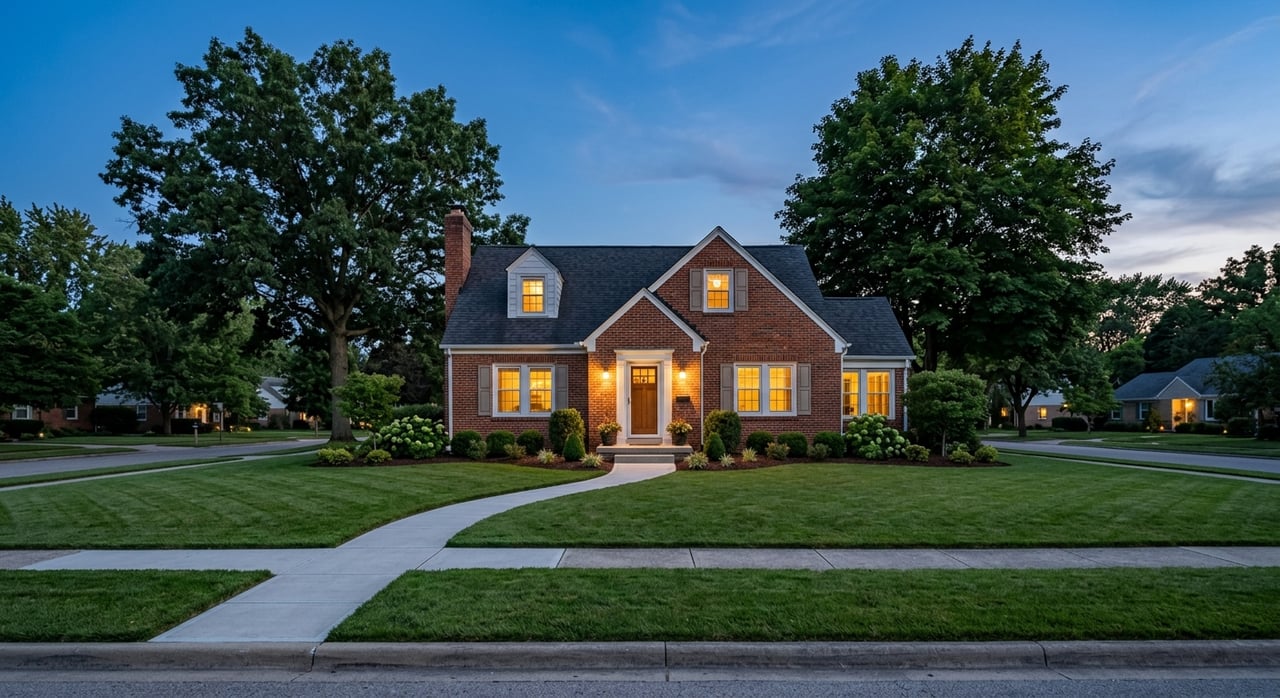
If you are thinking about buying or selling in Shelbyville, timing and strategy matter more than hype. This is a market with steady growth, active listings, and enough variation that the right plan can save you money or protect your equity. The good news is that Shelbyville gives both buyers and sellers real opportunities when you understand the numbers, the housing stock, and the local quirks. Let’s dive in.
Shelbyville market snapshot
Shelbyville is not standing still. The city’s population reached an estimated 18,453 in July 2025, up 6.6% from the 2020 census base, while Shelby County grew to an estimated 50,124, up 4.2% over the same period. The county also recorded 237 building permits in 2024, which points to ongoing demand along with some added housing supply.
That growth story may continue to shape local housing demand. In November 2024, Kentucky announced the Shelbyville Battery Manufacturing project, a roughly $712 million investment expected to create 1,572 jobs at full capacity. Large job announcements do not change the market overnight, but they can support demand for both owned and rented housing over time.
Home prices in Shelbyville
Current market data suggests Shelbyville remains active without being overheated. Zillow placed Shelbyville’s typical home value at $308,625 as of April 30, 2026, with 115 homes for sale and 38 new listings. The same snapshot showed a median list price of $345,966 and a median sale-to-list ratio of 0.986.
Redfin’s April 2026 data points in the same general direction, even though the measurements differ. It reported a median sale price of $334,727, homes spending 76 days on market, and a 97.8% sale-to-list ratio. It also noted that 16.9% of sales closed above list price and 34.6% of homes had price drops.
The takeaway is simple. Shelbyville is somewhat competitive, but it is not a market where every home flies off the shelf at any price.
Common price bands to expect
A practical way to think about Shelbyville pricing looks like this:
- Under $250,000: entry-level homes or homes that may need updates
- $250,000 to $400,000: the core market for many buyers and sellers
- $400,000 to $600,000: move-up homes, newer options, or homes with larger lots
- $600,000 and up: upper-end properties
These are not official categories, but they fit the current range suggested by local listing and sale data.
What buyers should know
If you are buying in Shelbyville, preparation matters more than rushing. Some homes still move quickly when they are priced well and show well, especially if they are move-in ready. At the same time, the current share of price reductions suggests that not every listing is drawing immediate strong offers.
That gives you room to be smart. You should still be ready to act on the right home, but you do not need to treat every listing like a bidding war.
Get preapproved before you shop
A preapproval helps you understand your budget and move with confidence. In a market where some homes can go pending fast, being financially ready can make a real difference. It also helps you avoid wasting time on homes that do not fit your monthly payment goals.
Focus on sold homes, not just asking prices
List prices tell you what sellers hope to get. Closed sales show what buyers have actually paid. In Shelbyville, where the average sale is landing just below list price on many transactions, recent comps matter more than headline asking prices.
Watch for price drops and days on market
Homes that sit longer may create room for negotiation. Redfin reported that 34.6% of Shelbyville homes had price drops, which can be a useful signal for buyers looking for leverage. A longer market time does not always mean something is wrong with a property, but it often means you should look closely at pricing, condition, or both.
Budget for inspections and repairs
Shelbyville has a mix of housing ages and styles, so condition varies from property to property. Older homes can offer charm and character, but they may also come with more maintenance items. If a home needs updates, make sure your budget includes inspection findings, near-term repairs, and ongoing upkeep.
What sellers should know
If you are selling in Shelbyville, pricing discipline is one of the biggest advantages you can give yourself. This is not a market that rewards wishful pricing for long. With sale-to-list ratios below 100% on average and a meaningful share of listings seeing reductions, buyers are paying attention to value.
The best launch is usually one that is realistic from day one. A strong list price, good presentation, and a clean first impression can help you attract better offers and avoid sitting on the market.
Price from closed sales
Your home is worth what a prepared buyer is willing to pay in the current market, not what a nearby active listing hopes to achieve. Recent sold comps provide the best starting point for a pricing plan. In Shelbyville, that approach is especially important because overpricing tends to show up quickly through longer days on market and price reductions.
Make move-in ready count
Buyers are still responding well to homes that feel clean, cared for, and easy to picture themselves in. You do not always need a major renovation to improve your market position. Often, simple steps like decluttering, cleaning, touching up paint, and handling obvious deferred maintenance can make your home more competitive.
Expect buyers to negotiate
Because the market is active but not extreme, buyers may ask for repairs, credits, or price adjustments, especially on homes that need work or have been listed for a while. Going in with a realistic plan can help you respond without losing momentum. The goal is not to win every small point. It is to protect your net and keep the deal together.
Shelbyville housing stock and home styles
Shelbyville is still primarily a detached single-family home market. Point2Homes reports that 65.9% of housing units are detached single-family homes. Attached units make up 4.9%, while 3 to 4 unit buildings account for 6.5% and 5 to 9 unit buildings account for 10.1%.
The city also has a broad mix of home ages. The median construction year is 1994, about 10.3% of homes were built before 1940, and 26% were built from 2000 to 2009. That gives buyers and sellers a market with both older in-town homes and a substantial wave of more recent housing.
Older homes vs newer homes
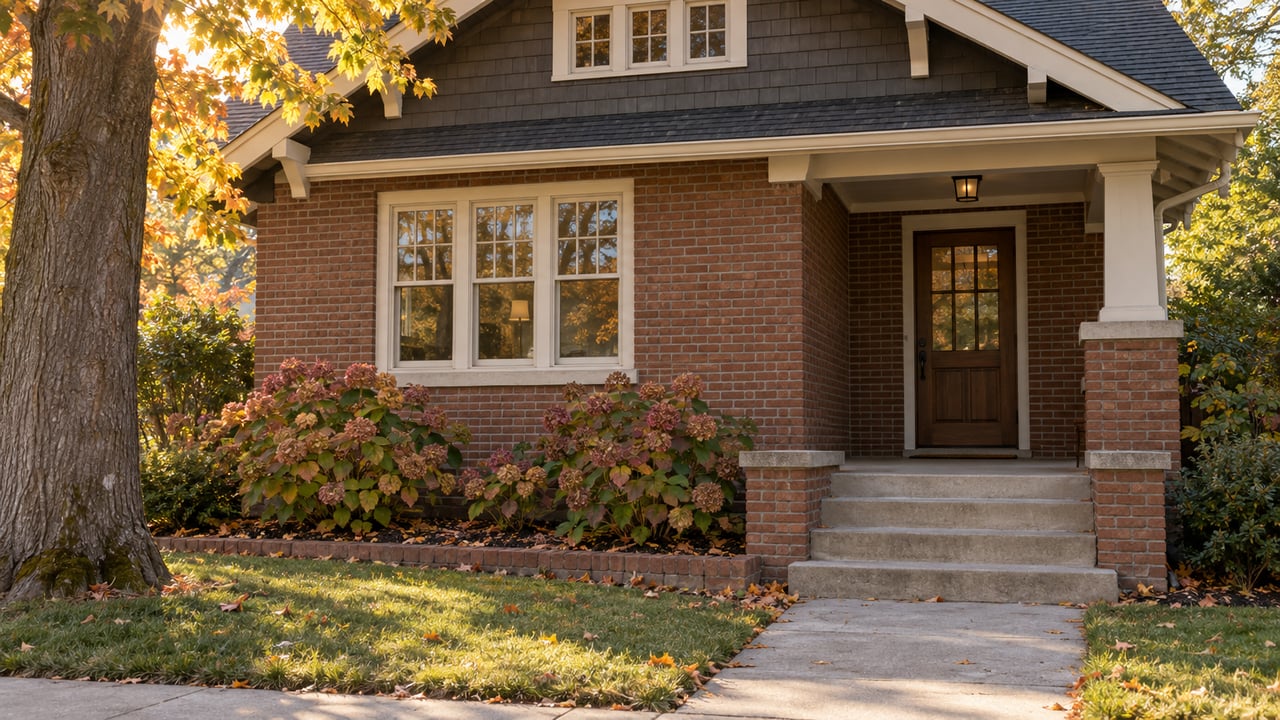
Older homes in Shelbyville may offer more architectural detail and a more established setting. Historic-district design guidance notes that Bungalow, Queen Anne, and Colonial Revival plans were popular in the residential district, along with features like wood siding, porches, and gabled or hipped roofs. These homes can have strong visual appeal, but they may also require more ongoing maintenance.
Newer homes may appeal to buyers who want more updated layouts or lower near-term repair risk. If you are comparing old versus new, think beyond price alone. Maintenance expectations, renovation goals, lot size, and layout preferences all play a role.
Historic district rules matter
One of the most important local details in Shelbyville is the historic district review process. If a property is in the historic district, visible exterior work is regulated. Shelbyville code requires a certificate of appropriateness before visible exterior alterations, new construction, demolition, or relocation in the historic district.
Ordinary repairs may be exempt, but only if they do not change the exterior appearance visible to the public. That matters whether you are preparing a home for sale or planning future updates after you buy. Before making changes to exterior elements, it is smart to confirm what local review may be required.
A simple strategy for Shelbyville buyers and sellers
The Shelbyville market is best approached with a practical mindset. Buyers should be ready, informed, and patient enough to separate fair value from inflated pricing. Sellers should launch with discipline, present their home well, and stay realistic about what today’s buyers expect.
That kind of strategy matters even more in a market with population growth, ongoing development, and a housing mix that ranges from historic homes to newer construction. When you understand the local numbers and the type of property you are dealing with, your decisions get a lot clearer.
Whether you are buying your first home, moving up, or preparing to sell, local guidance can make the process smoother. If you want help building a smart plan for Shelbyville, connect with the Greg Hodges Group.
FAQs
What is the Shelbyville, KY housing market like right now?
- Shelbyville is somewhat competitive, with current data showing homes selling near but usually below list price on average, some homes going above list, and a noticeable share of listings seeing price drops.
What price range is most common for homes in Shelbyville, KY?
- A practical core price band for Shelbyville is about $250,000 to $400,000, with lower-priced entry-level homes below that range and move-up or higher-end homes above it.
Should buyers in Shelbyville, KY expect bidding wars?
- Some well-priced homes can still attract strong competition, but the market overall appears to reward preparation and smart negotiation more than blind speed.
Should sellers in Shelbyville, KY price high to leave room to negotiate?
- Current market conditions suggest disciplined pricing based on recent closed sales is usually safer than pricing high, since a significant share of listings are seeing price drops.
Are historic district homes in Shelbyville, KY different to maintain?
- They can be, especially because visible exterior changes in the historic district may require a certificate of appropriateness under local code.
What types of homes are most common in Shelbyville, KY?
- Detached single-family homes make up the largest share of Shelbyville housing, alongside smaller shares of attached homes and multifamily properties.